
Things to Do in Antananarivo in November
November weather, activities, events & insider tips
Low Season · Budget Friendly
November Weather in Antananarivo
Long-run averages for November
80°F (27°C)
High Temp
60°F (15°C)
Low Temp
4.6 inches (117 mm)
Rainfall
72%
Humidity
14
Sunny-Day UV
⚠ November opens Madagascar's cyclone season. It runs through April. Antananarivo sits at 1,280 m (4,200 ft). This highland position provides some shelter from the worst coastal wind damage. Tropical storms still bring prolonged heavy rain. Flooding threatens low-lying parts of the city. Domestic flights and overland routes face disruption. Monitor weather forecasts throughout your stay. Build contingency plans for inter-city travel.
⚠ Rainy season brings mosquitoes. Breeding increases across the central highlands. Malaria risk rises. So do other mosquito-borne illnesses. This risk is real. Prophylaxis is essential. Repellent is essential. Treated bed nets are essential. These precautions are non-negotiable for November travel in Antananarivo and the surrounding region.
Is November Right for You?
Weigh the advantages and considerations before booking
Advantages
- + Antananarivo's jacaranda trees peak in November, turning the hillside streets of the Haute Ville and the avenues around Lake Anosy into corridors of purple-violet blossom. The color against the city's red-laterite soil and terracotta rooftops is unlike anything you'll see the rest of the year. Mornings before the clouds build are some of the most photogenic hours the capital offers. Plan accordingly.
- + November sits squarely in the low tourist season. Sites like the Rova complex on Analamanga hill and the sacred royal compound at Ambohimanga feel like they belong to you rather than to a tour bus. Licensed guides have time to linger, answer questions, and take you to corners they'd skip when rushed by a queue behind you. This is when you get the good stuff.
- + The highland landscape around Antananarivo undergoes a dramatic transformation as the first rains break months of dry-season brown. Rice paddies in the valleys below the city fill with water and turn electric green as planting begins. The surrounding hills flush with new growth. For anyone traveling south along the RN7, November is the last comfortable window to see the highlands at their most alive before December's heavier downpours make secondary roads unreliable. Book now.
- + Tropical fruit season opens in earnest. Lychees, mangoes, and papayas begin appearing at Analakely Market and roadside stalls across the city at their freshest. The lychees in particular, still firm-skinned and cool from highland mornings, are a different experience entirely from anything exported. They carry a floral sweetness that fades within days of picking. Eat them here.
Considerations
- − Afternoon thunderstorms arrive with real authority starting in November. By early afternoon the sky over Antananarivo tends to darken quickly. The downpours, when they come, can be heavy enough to turn steep cobblestone streets into temporary streams. If you have a rigid outdoor itinerary that requires full-day dry weather, November will frustrate you at least a few times. Build in flexibility.
- − Roads outside the capital begin to deteriorate once the rains settle in. The laterite tracks that connect highland towns turn slick and muddy. Journey times between Antananarivo and destinations like Andasibe or Antsirabe can stretch unpredictably. If you're planning overland travel, expect delays and build buffer days into any multi-day itinerary. Patience is essential.
- − Mosquito activity increases noticeably with the onset of rains. The central highlands, including Antananarivo at 1,280 m (4,200 ft), carry a real malaria risk during the wet months. This is not a detail to shrug off. You'll need prophylaxis prescribed before departure, DEET-based repellent for dusk and dawn, and the discipline to use both consistently. Don't skip this.
Best Activities in November
Top things to do during your visit
November arrives in Antananarivo on the smell of wet earth. After months of dry highland cold, June through September barely registering 5 millimetres of rain, the first substantial downpours return. Roughly 117 millimetres across the month. Enough to turn the city's red laterite roads slick and glossy. Far less than the 300-plus millimetres that January and February will bring. Daytime temperatures reach about 27°C, the warmest Antananarivo sees all year. Evenings drop to a comfortable 15°C. That keeps the city's altitude from ever feeling tropical despite its latitude. It sits above 1,200 metres on a ridge of granite hills. Afternoon storms build fast. The sky turns the colour of wet slate. Theatrical thunder breaks, then clears within the hour. The air scrubs clean. Colonial-era shuttered buildings gleam against washed blue light. This is the warmest Antananarivo gets. It wears the heat well. The city transforms after the brown, dusty months. Hillside neighbourhoods flush green almost overnight. At the Analakely market, down in the valley between the two main ridges, vendors stack fresh produce under canvas awnings. The first lychees of the season arrive from the lowlands. Year-round bundles of vanilla pods sit alongside them. Their thick, sweet fragrance sits in the throat like syrup. Evening meals at restaurants clustered around the Haute-Ville and along Rue de Liège centre on zebu steak grilled over wood charcoal. Smoke drifts across outdoor terraces. Romazava follows, a peppery broth of leafy greens and tender meat. Heaps of white rice come with quiet pride. Rice remains central to Malagasy life. After dinner, bars around Isoraka keep late hours. Guitar music and conversation spill onto lamp-lit pavement. Hotels range from converted colonial townhouses in the Haute-Ville, with creaking wooden staircases and courtyard gardens, to modern mid-range options near the airport at Ivato. The better ones begin filling in November as the travel season opens. Antananarivo sits inland on the central highlands. A day's drive from the nearest coast. Flights from Ivato airport connect to the beach islands around Nosy Be in under two hours. November's real strength is the interior. The eastern rainforests around Andasibe are loud with frog choruses. Chameleons emerge from dry-season dormancy. The Avenue of the Baobabs near Morondava stands against skies that shift between hard blue and storm-clouded drama within a single afternoon. The Route Nationale 7, Madagascar's most storied highway, winds south through highland terraces and spiny forest. Road conditions still favour multi-day travel. That window narrows considerably by December. Heavier rains wash out unpaved sections. For personal safety, the same rules apply here as in any large capital. Keep valuables close. Take taxis after dark rather than walking. Stay alert in crowded market areas. The city is navigable. Welcoming to visitors who show courtesy. Less chaotic than its reputation sometimes suggests.

7- Days Private Tour Baobab Safari
private_tourThe seven-day Baobab Safari departs Antananarivo and heads west through Madagascar's dry deciduous forest zone toward Morondava and the Avenue of the Baobabs. A stretch of dirt road flanked by Adansonia grandidieri trees. They rise twenty-five metres straight up before spreading their crowns like inverted root systems against the sky. The route crosses the Tsiribihina River. It passes through small towns where zebu carts share the road with trucks. The landscape opens empty and ancient-looking. The horizon seems to curve. As a private tour, the pace adjusts to your own. Stops at Kirindy Reserve to track fossa. Madagascar's largest predator moves through the dry forest with the unsettling quiet of a cat the size of a small dog. Time at sunset when the baobabs throw long purple shadows across red soil.
The Avenue of the Baobabs at sunset. Silhouettes of trees that predate human settlement on the island. Standing in a silence broken only by birdsong and the creak of bark cooling after the day's heat. It is one of the most arresting sights on the African continent.
Insider tip: Request a dawn visit to the Avenue as well as sunset. The morning light is warmer and softer. The crowds are nonexistent. Low mist sometimes sits at ground level. The trees look as though they are rising from cloud.
This month: November sits at the edge of accessibility for western Madagascar. The unpaved roads to Morondava remain passable in early November. They deteriorate with each week of rain. Earlier departure dates in the month are considerably safer.

Antananarivo: Lemurs Park & City Tour
guided_experienceThis day-long pairing of Lemurs Park and an Antananarivo city tour covers two essentials in a single outing. The morning typically begins at Lemurs Park. A botanical garden and lemur sanctuary about twenty kilometres west of the capital. Bamboo lemurs, brown lemurs, and sifaka move freely through the canopy overhead. The sifaka's lateral leaps between tree trunks, silent and explosive, stop every visitor mid-sentence. The afternoon returns to the city for the Rova. The hilltop palace complex once housed Madagascar's Merina monarchs. The tour often includes Ambohimanga. The sacred royal hill and UNESCO site north of Antananarivo. The air carries the scent of the rosewood and ironwood forest surrounding the old stone fortifications.
Watching free-roaming lemurs at arm's length in the morning and standing on the hill where Madagascar's queens ruled by afternoon. That makes this the most efficient introduction to the country's natural and cultural identity.
Insider tip: At Lemurs Park, move slowly and keep your arms at your sides. The brown lemurs are habituated enough to jump onto visitors' shoulders. The encounter is richer when it happens on their terms rather than being coaxed by a guide.

RN7 Road Trip - Private Multi Day Madagascar Tour
day_tripThe RN7, Route Nationale 7, is Madagascar's most celebrated road. A mostly paved highway running south from Antananarivo through the central highlands to the coastal city of Toliara. Landscapes shift from emerald rice terraces to granite massifs to the alien spiny forest of the deep south. This multi-day private road trip stops at Antsirabe. A faded colonial spa town where the tang of sulphur drifts from natural hot springs. At Ranomafana National Park, golden bamboo lemurs cling to dripping stalks in cloud forest so dense the canopy blocks most daylight. At Isalo National Park, sandstone canyons and natural swimming pools sit in terrain that could pass for the American Southwest transplanted to the tropics. The driving itself is part of the experience. Villages appear around every bend. The smell of smoked zebu jerky and woodsmoke rises from roadside stalls. The road narrows to a single lane through market towns. Vendors sell woven raffia hats from wooden tables set on the tarmac edge.
No single route in Madagascar compresses more ecological zones, cultural encounters, and sheer geographic drama into one continuous drive than the RN7.
Insider tip: Request overnight stops at lodges inside Ranomafana rather than in the town of Fianarantsoa. The park lodges sit at the forest edge. You wake to lemur calls and can start the morning trail while the canopy is still cool and dripping with condensation.
This month: The RN7 is largely paved and passable year-round. November afternoon storms can reduce visibility on exposed highland sections. Experienced drivers cover those stretches before midday.

Tailor-Made 10-Day Adventure from Antananarivo, Madagascar
otherTen days is enough to reach beyond the standard circuit. This tailor-made adventure from Antananarivo does exactly that. The itinerary flexes to the traveler's interests. More time tracking lemurs in the eastern rainforests. Exploring the tsingy limestone karst formations of the west with their razor-sharp grey pinnacles rising from the forest floor. Adding a night walk in search of the elusive aye-aye. Madagascar's strangest nocturnal primate taps on bark with an elongated skeletal finger to locate grubs by sound. The private, customisable format means the pacing suits you rather than a fixed group schedule. Local guides at each stop provide granular ecological knowledge. Which tree a particular chameleon species sleeps in. Where to stand to hear the indri's morning call echo off the valley walls. That turns a nature trip into something that sinks into the memory differently.
A ten-day frame lets a specialist guide shape Madagascar's overwhelming biodiversity into a coherent narrative rather than a highlight reel. Enough slack for the detours that become the best stories.
Insider tip: Ask the operator to include at least one night in a community-run lodge. The food is simpler. Evening conversations with Malagasy hosts about local farming, taboos known as fady, and their relationship with the forest offer a depth that no luxury hotel replicates.

3-Day Private Tour to Andasibe National Park
private_tourThree days in Andasibe National Park, east of Antananarivo, is the quickest route to Madagascar's most well-known wildlife encounter: the indri. The largest living lemur stands nearly a metre tall. Round amber eyes. A call that starts as a low moan before building to a howl audible three kilometres through the canopy. It lives only in this stretch of eastern rainforest. The drive from the capital takes roughly three hours. Climbing through rice-paddy valleys before dropping into dense montane forest thick with tree ferns, pendant orchids, and the constant drip of moisture from leaf to leaf to the forest floor. Night walks along the park's trails reveal a parallel world. Mouse lemurs the size of a clenched fist peer from branch forks. Leaf-tailed geckos press flat against bark in perfect camouflage. Tenrecs rustle through damp leaf litter.
Hearing the indri call at dawn. A sound somewhere between a whale song and a human wail, reverberating through mist-soaked forest until the trees themselves seem to hum. That is reason enough to come to Madagascar.
Insider tip: Book the night walk on your first evening rather than your last. If rain cancels it, common in November, you have a backup night to try again.
This month: November rains make the eastern forest trails muddy and slippery. Bring waterproof boots with ankle support rather than hiking shoes. Expect leeches on lower-elevation paths after wet mornings.

Private Tour for the Highlights of Madagascar
private_tourThis private highlights tour compresses Madagascar's greatest landscapes into a single curated itinerary departing from Antananarivo. Typically threading through the central highlands, one or more national parks, and the western or southern dry zones. The exact route shapes to the traveler's available time and tolerance for long drives. The emphasis on privacy means stops happen when something catches your eye. A roadside market selling hand-carved wooden toys alongside bundles of dried vanilla. Their sweetness reaches the car before you have opened the door. A hillside village where women pound rice in wooden mortars. The rhythmic thud carries across the valley. Guides tend to be naturalists first. The kind of people who identify birds by their song before the binoculars come up. Who spot a Brookesia chameleon no larger than a matchstick sitting motionless on a branch at eye level while you walk past oblivious.
For travelers with limited time, this tour distils Madagascar's improbable geography, baobab alleys, rainforest canopy, sandstone canyons, spiny desert, into one privately guided arc without the compromises of a group itinerary.
Insider tip: Ask your guide to build in a buffer day with no fixed plan. The best moments on Malagasy roads happen unscheduled. A zebu market materialising in a village square. A panther chameleon crossing the road at a pace that demands you stop the car and simply watch.
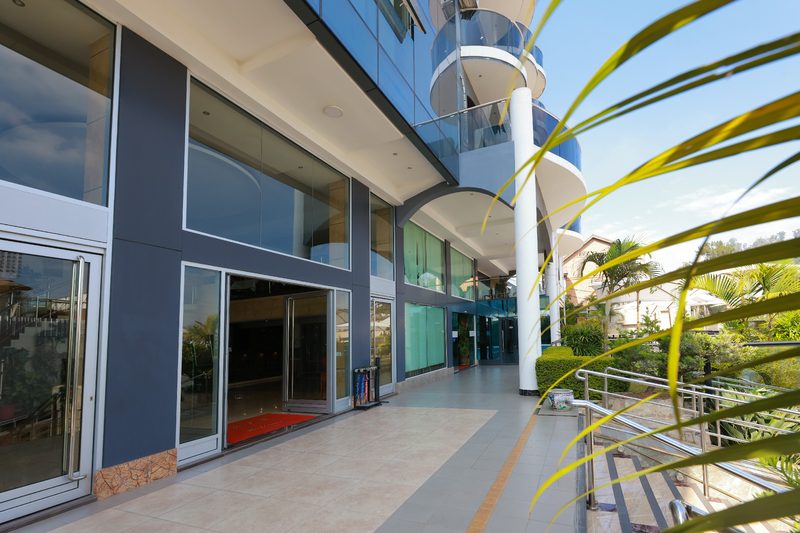
Where to Stay in Antananarivo in November
Hand-picked hotels across price tiers for November travellers.
Public Holidays in November
Dates that affect opening hours, transport and crowds
All Saints' Day
Observed nationwide as a public holiday.
All Saints' Day
Observed nationwide as a public holiday.
All Saints' Day
Observed nationwide as a public holiday.
Packing Checklist
Bookmark this page — your progress is saved between visits
Need the full list with shopping links?
Climate-specific gear, brand recommendations, and what to leave at home.
View Antananarivo Packing List →Essential Tips
Insider knowledge and common pitfalls to avoid
Insider Knowledge
Front-load every outdoor plan into the morning. November's weather pattern in Antananarivo is remarkably consistent: clear skies and pleasant warmth through mid-morning, cloud buildup by noon, and the real downpour hitting between 2 PM and 5 PM. Locals have internalized this rhythm completely. You'll notice that markets are busiest before 10 AM, construction crews start at dawn, and the streets thin out after lunch. Plan your walking tours, market visits, and park excursions for before noon. Keep your afternoons for indoor activities, longer meals, or the hotel.
Antananarivo is a highland city at 1,280 m (4,200 ft) with no coast anywhere close. If you came expecting beaches, the nearest are a domestic flight away on the island of Nosy Be or a grueling two-day drive to the western or eastern seaboards. What Antananarivo does have is Lake Anosy at the city's southern edge. A morning walk around the perimeter, passing the war memorial on the island and the jacaranda trees lining the banks, gives you water and greenery without the pretense of a beach. Adjust expectations accordingly. Save the coast for a separate leg of any Madagascar trip.
Negotiate taxi fares before you get in and confirm the currency. Antananarivo's taxis do not use meters. The difference between the fare a driver quotes a tourist versus a local can be significant. Ask your hotel for the approximate cost to your destination before stepping outside. Settle the price while you're still standing on the pavement with the option to walk away. A calm, friendly negotiation is expected and not rude. Saying the neighborhood name confidently in Malagasy pronunciation helps more than you'd think.
The food worth seeking out in November is not in sit-down restaurants but at the street-level stalls and market vendors working the morning hours. Mofo gasy, the sweet rice cakes cooked on cast-iron molds over charcoal, appear on street corners across the city at first light, still steaming, with a crisp shell and a slightly fermented tang from the overnight batter. At Analakely Market, vendors sell freshly picked lychees by the mound. The smell of roasting peanuts and grilled zebu skewers cuts through the diesel and dust. This is the Antananarivo that stays with you. Skip the hotel breakfast buffet.
Avoid These Mistakes
Don't underestimate the altitude and pack only for the tropics. First-timers picture Madagascar as equatorial heat and arrive with nothing but shorts and tank tops. Then they spend their first evening in Antananarivo shivering on a restaurant terrace as the temperature drops to 15°C (60°F) after dark. The city sits at 1,280 m (4,200 ft). November nights are cool. Bring layers.
Don't try to drive independently outside the capital. Antananarivo's traffic is dense, unpredictable, and operates on conventions that take years to internalize. Once you leave the city the laterite roads in November become a judgment call at every muddy stretch and river ford. Hire a driver who knows the roads and the vehicle's limits. The cost is a fraction of what you'd spend on a rental. The stress differential is enormous. Worth it.
Don't book tight multi-city itineraries without weather buffer days. A plan that requires you to drive from Antananarivo to Andasibe and back in a single day, or connect through three highland towns in three days during November, will almost certainly be disrupted by road conditions or an afternoon washout. Build at least one free day into any overland route. Treat it as insurance you'll likely need rather than time you'll waste.
Ready to plan your trip to Antananarivo?
Now that you've got the research covered, here's where to go next.
Explore More Activities in Antananarivo
Didn't see anything interesting yet?
Browse Viator's full catalog of tours, day trips, food experiences, and private guides in Antananarivo.
See All Antananarivo Tours on Viator