Things to Do in Antananarivo
Hilltop rice paddies, red-brick queens, and the world's loudest taxi-brousse horns
Top Things to Do in Antananarivo
Find activities and tours you'll actually want to do. Book through our partners -- no booking fees.


Plan Your Trip
Essential guides for timing and budgeting
Climate Guide
Best times to visit based on weather and events
View guide →Day Trips
The best excursions and nearby destinations worth the journey
Explore day trips →Where to Stay
Best neighbourhoods, hotel picks, and booking tips
Find hotels →Travel Insurance
What's required, what coverage matters, and how to get a quote
Read guide →What to Pack
Climate-specific gear, essentials, and what to leave at home
See packing list →When Should You Visit Antananarivo?
Tap a month for weather, crowds, and highlights
View full year-round climate guide →Your Guide to Antananarivo
About Antananarivo
Antananarivo hits you with exhaust fumes drifting up Avenue de l'Indépendance as afternoon sun strikes red laterite hills still carrying morning rain's scent. The city spills across twelve ridges, stitched together by staircases so steep your thighs will recall them long after photos fade. In Analakely Market, vendors shout prices for bundles of romazava leaves while frying mofo gasy drifts past British-built arcades meant for a queen who never reached London.
Upper town's Haute Ville keeps the faded grandeur of French colonial facades on Rue Rainandriamampandry, each balcony dripping bougainvillea onto sidewalks where 500 ariary ($0.11) buys coffee thick enough to stand a spoon upright. Down in Isoraka, 19th-century stone houses turned guesthouses charge 45,000 ariary ($10) for rooms overlooking terraced rice fields older than the city itself.
Three lanes of taxi-brousses painted like racing cars, plus motorcycles carrying entire families, create a horn symphony starting at 5 AM and pausing only at midnight. Walk fifteen minutes uphill past the Rova palace ruins and neighborhoods appear where church bells and someone's grandmother sweeping leaves provide the only soundtrack.
This city demands patience. It repays with narrow lanes where children sell vanilla pods from shoeboxes, and sunset views from the queen's palace where the entire highland plateau turns gold.
Travel Tips
Transportation: Taxi-brousse minivans cost 400 ariary ($0.09) for most city routes, but you'll wait until 24 people squeeze inside. Better move: download the Cotisse app for official shared taxis - 2,000 ariary ($0.45) to most neighborhoods with actual seatbelts. From the airport, skip the taxi cartel quoting 80,000 ariary ($18); walk past them to the official blue shuttle buses at 10,000 ariary ($2.25) that drop you at the Hilton downtown. Rush hour hits between 7-9 AM and 4-6 PM when Avenue de l'Indépendance becomes a parking lot of frustrated drivers leaning on horns that sound like dying elephants.
Money: ATMs at BOA and BNI banks work with foreign cards - others will eat your card and shrug. Withdraw 400,000 ariary ($90) at once to avoid $5 international fees stacking up. Street money changers on Rue de la Pharmacie give rates 10% better than banks. But count your bills twice - the 10,000 and 5,000 ariary notes look identical in bad light. Cards work at Shoprite and most mid-range restaurants. But vanilla vendors at Analakely Market and taxi drivers take only cash. Keep 1,000 ariary notes ($0.22) handy for tips and street food - vendors hate making change for 10,000.
Cultural Respect: Shake hands with everyone in the room when you enter - skip this and you'll seem cold. Learn 'manao ahoana' (mah-now ow-nah) for hello and 'misaotra' (mee-sow-tra) for thank you - people light up when you try Malagasy instead of jumping straight to French. Sunday mornings stay sacred; don't expect shops to open before 10 AM as everyone's at church. When visiting someone's home, bring something small - 2,000 ariary worth of pastries from a local bakery works well. At the Rova palace ruins, ask before photographing the royal tombs - some areas stay actively used for ancestor worship.
Food Safety: The grilled corn ladies outside Analakely Market wrap hot cobs in yesterday's newspapers for 200 ariary ($0.04) - the corn's safe, the ink isn't. Stick to busy lunch counters where office workers queue. The one next to the BNI bank on Avenue de l'Indépendance serves rice and laoka (side dishes) for 3,500 ariary ($0.78) that won't wreck your stomach. Skip anything with mayonnaise sitting in the sun. But the fresh fruit juice stands - where they blend pineapple with condensed milk for 1,000 ariary ($0.22) - stay generally safe because turnover is constant. Hotel restaurants are overpriced copies of street food. Real flavors happen at roadside stalls where women ladle romazava soup from aluminum pots simmering since dawn.
When to Visit
April through October brings Antananarivo at its most bearable - daytime highs hover around 24°C (75°F) and rice terraces surrounding the city glow emerald green. July brings Famadihana (turning of the bones) ceremonies in surrounding villages, though you'll need local connections to witness these ancestral celebrations.
September sees jacarandas bloom purple across Haute Ville, coinciding with the Donia music festival in nearby Nosy Be. November marks the start of rainy season - temperatures spike to 29°C (84°F) with afternoon downpours that turn Avenue de l'Indépendance into a river. But hotel prices drop 35% and you'll have the markets mostly to yourself.
December through March brings the real deluge - 300mm of rain per month that makes steep staircases treacherous and humidity wraps around you like a wet towel. Hotel rates plummet 50% during these months. But most day trips become muddy adventures. Flights from Europe run 30% cheaper in the wet season, though the 12-hour Air France connection from Paris might face delays.
The sweet spot is May and June - dry enough for exploring surrounding hills, cool enough that you won't melt walking up to the Rova, and before July tourist crowds drive hotel prices up 40%. Budget travelers should target October when weather stays pleasant but prices haven't yet spiked for the holiday season.
Frequently Asked Questions
How Many Days Should I Spend in Antananarivo?
Two to three days is good for exploring Antananarivo's main attractions like the Rova of Antananarivo palace complex, Lemurs' Park, and the Friday flea market at Analakely. Most visitors use the capital as a gateway, spending a day or two here before heading to national parks like Andasibe-Mantadia (3 hours east) or beach destinations. If you're interested in deeper cultural exploration, visiting artisan workshops in Andravoahangy or hiking around Ambohimanga, add an extra day.
Is Antananarivo Safe for Tourists Walking Around?
Downtown Antananarivo (Analakely, Avenue de l'Indépendance) is generally safe during daylight. But petty theft and pickpocketing are common in crowded markets and bus stations. Avoid walking alone after dark, in poorly lit neighborhoods, and don't display expensive cameras or jewelry. Upper Town areas like Isoraka and Faravohitra are safer. Many travelers stay in these neighborhoods and use taxis for evening outings. Registered taxis with roof signs are reliable, agree on the fare before departure.
What's the Best Way to Get from Ivato Airport to the City Center?
Ivato International Airport is 16 km northwest of central Antananarivo, about 30, 45 minutes by car depending on traffic. Pre-arranged hotel transfers (around 40,000, 60,000 ariary / $10, 15) are the safest option, if you arrive at night. Official airport taxis cost roughly the same but should be booked at the airport desk, not with freelance drivers outside. Avoid public taxi-brousse minivans with luggage, they're cramped and targeted by pickpockets.
When Is the Best Time to Visit Antananarivo Weather-wise?
April through October (dry season) offers the most comfortable weather, with sunny days around 20, 25°C and cool evenings. June and July are the coolest months, requiring a light jacket in the mornings. November through March is the rainy season, expect afternoon downpours, high humidity, and occasional cyclone disruptions on the east coast (though Antananarivo itself is inland and less affected). The Rova palace and most museums remain open year-round, but unpaved roads to surrounding villages become muddy during the rains.
How Much Does a Typical Meal Cost in Antananarivo?
Street food like mofo gasy (rice cakes) or sambos (samosas) costs 500, 2,000 ariary ($0.12, 0.50) from vendors around Analakely market. A filling plate of romazava (beef stew) or ravitoto (pork with cassava leaves) at a local hotely restaurant runs 8,000, 15,000 ariary ($2, 4). Mid-range restaurants in Isoraka or near Avenue de l'Indépendance charge 25,000, 50,000 ariary ($6, 12) for European or fusion dishes. Upscale spots like La Varangue or Kudeta cost 60,000, 100,000 ariary ($15, 25) per person with wine.
What Can I Buy at Analakely Market That's Worth Bringing Home?
Analakely is best for everyday goods, not souvenirs, you'll find fresh produce, vanilla pods (bargain hard. Quality varies), and cheap clothing. For crafts, head to the Digue Market (La Digue) on weekends, where vendors sell lamba (traditional silk scarves), wood carvings, raffia baskets, and semi-precious stones. Prices start high. Expect to negotiate down by 30, 50%. For guaranteed quality, visit the Lisy Art Gallery cooperative on Rue Rainandriamampandry, where artisan prices are fixed but fair.
Can I See Lemurs in Antananarivo Itself?
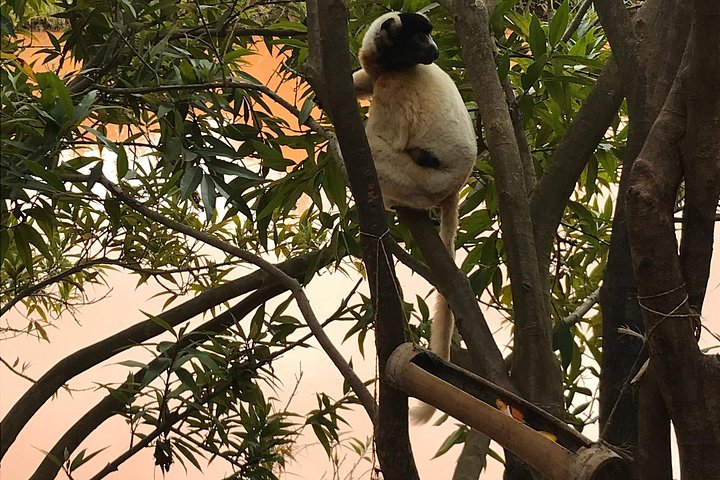
Lemurs' Park, 22 km west of the city along RN1, is the closest place to see nine lemur species in a semi-wild forest setting (entry 35,000 ariary / $8.50). Guided walks take 1, 2 hours; ring-tailed lemurs and sifakas are habituated and often approach visitors. The private Tsimbazaza Zoo in the city center has lemurs but conditions are dated, it's more of a botanical garden with a small animal section. For wild lemurs, plan a day trip to Andasibe-Mantadia National Park (3 hours east) or visit Analamazaotra Reserve for indri sightings.
Do I Need to Speak French or Malagasy to Get Around?
French is widely spoken in hotels, restaurants, and tour agencies in Antananarivo. But less so among taxi drivers and market vendors. Learning basic Malagasy phrases like "misaotra" (thank you) and "ohatrinona?" (how much?) helps with street interactions and prices. English is understood in upscale hotels and by some younger guides, but don't rely on it outside tourist zones. Download offline translation apps or carry a French phrasebook, Google Translate works intermittently due to limited mobile data coverage in some neighborhoods.
What's the Deal with Taxi-brousse Minivans, Are They Safe for Tourists?
Taxi-brousse (shared minivans) are the main intercity transport for Malagasy locals, departing from chaotic stations like Fasan'ny Karana or Ampasampito. They're very cheap (10,000, 30,000 ariary for trips within 100 km) but notoriously overcrowded, slow, and prone to breakdowns. For tourists, they're manageable for short daylight trips to places like Ambohimanga (20 km north) if you're comfortable with tight quarters and no schedule. For longer routes (Antsirabe, Andasibe), most travelers hire private drivers or join organized tours, safer and far more comfortable.
Are Credit Cards Accepted in Antananarivo?
Major hotels, upscale restaurants, and some tour operators in Antananarivo accept Visa and Mastercard. But many add a 3, 5% surcharge. Smaller guesthouses, markets, taxis, and most local eateries only take cash (ariary). ATMs are common around Avenue de l'Indépendance and Analakely, BNI, BOA, and BFV machines usually accept international cards. But daily withdrawal limits are low (around 400,000 ariary / $100). Carry enough cash for day-to-day expenses; U.S. dollars and euros can be exchanged at banks or authorized forex bureaus.
What's the Altitude in Antananarivo and Will I Feel It?
Antananarivo sits at 1,280 meters (4,200 feet) above sea level, high enough that some visitors feel mildly out of breath climbing the city's steep hills, around Upper Town (Haute-Ville). It's not altitude sickness territory like the Andes. But pace yourself on stairways leading to the Rova or Ambohimanga. The elevation keeps temperatures cooler than coastal Madagascar, evenings can dip to 10°C (50°F) in winter (June, August), so pack a sweater even if you're heading to beach destinations afterward.
Where Do Locals Go for Nightlife in Antananarivo?
Isoraka and the area around Rue Printsy Ratsimamanga have the most expat-friendly bars and clubs, try Kudeta for cocktails and DJ sets on weekends, or Glacier du Parc for a mellower vibe near Lake Anosy. Live traditional music (salegy, vakisoba) happens sporadically at venues like Chez Mariette in Faravohitra. Check local listings or ask your hotel. Nightlife winds down by midnight on weeknights; Fridays and Saturdays are livelier. Always take a registered taxi home, walking after dark, even in Isoraka, isn't advisable.
More Ways to Experience Antananarivo
Tours, day trips, and local experiences curated by on-the-ground operators.
Didn't see anything interesting yet?
Browse Viator's full catalog of tours, day trips, food experiences, and private guides in Antananarivo.
See All Antananarivo Tours on Viator